The Retreat Detox: Comprehensive Guide to Mind and Body Cleansing
Detoxification has become more than just a buzzword in the health and wellness industry. In recent years, many people have turned to wellness retreats to reset their bodies and minds, and one of the most popular approaches is known as The Retreat Detox. Unlike typical at-home cleanses or short-term diets, retreat detox programs are immersive, guided experiences often held in natural environments designed to promote deep healing, relaxation, and rejuvenation.
The concept of detox at a retreat goes beyond physical cleansing. It combines nutritional programs, mindfulness practices, physical activities, and sometimes alternative therapies to create a holistic approach. The goal is to help participants step away from daily stressors, reset their lifestyle, and reestablish balance in their bodies and minds.
What is The Retreat Detox?

The Retreat Detox is a structured wellness program typically offered by specialized resorts, wellness centers, or holistic clinics. These retreats can last anywhere from a few days to several weeks, depending on the individual’s needs and the program’s intensity.
A retreat detox often incorporates multiple elements:
- Nutritional detox: Meals are designed with nutrient-dense foods, juices, or fasting protocols.
- Physical therapies: Yoga, guided exercise, massages, and spa treatments support the body’s natural detoxification processes.
- Mental cleansing: Meditation, journaling, and counseling sessions help participants release emotional burdens.
- Environmental support: Many detox retreats are located in serene, natural landscapes that foster healing and relaxation.
Benefits of Joining a Retreat Detox
Physical Health Benefits
One of the primary benefits of a retreat detox is the physical reset it provides. By eliminating processed foods, alcohol, and toxins, the body’s digestive system gets a chance to heal. Participants often report improved digestion, better skin health, and increased energy levels after completing a detox retreat.
Furthermore, detox programs can support liver and kidney function, the organs responsible for filtering out harmful substances. When combined with exercise and hydration, these practices encourage improved circulation and metabolism.
Mental and Emotional Benefits
Retreat detox programs are not only about physical health. The mental and emotional benefits are equally profound. By stepping away from the pressures of work, technology, and urban life, participants can find mental clarity and emotional balance. Practices like meditation and mindfulness incorporated into the retreat help calm the nervous system, reduce stress, and promote inner peace.
Long-Term Lifestyle Changes
A unique advantage of attending a detox retreat is the potential for lasting lifestyle transformation. Retreat leaders often provide education on nutrition, stress management, and self-care practices. This knowledge empowers participants to continue making healthier choices long after the retreat has ended.
Real-World Examples of Retreat Detox Programs
The Ranch Malibu

The Ranch Malibu in California is one of the most recognized wellness retreats in the world. Its detox program combines a plant-based diet, daily hikes, yoga, and strength training. The Ranch emphasizes not just physical cleansing but also the cultivation of discipline and balance in everyday life.
Participants benefit from carefully crafted menus that eliminate caffeine, processed sugars, and alcohol. The serene environment, nestled in the Santa Monica Mountains, provides the perfect backdrop for personal reflection and mental restoration.
Kamalaya Wellness Sanctuary, Thailand
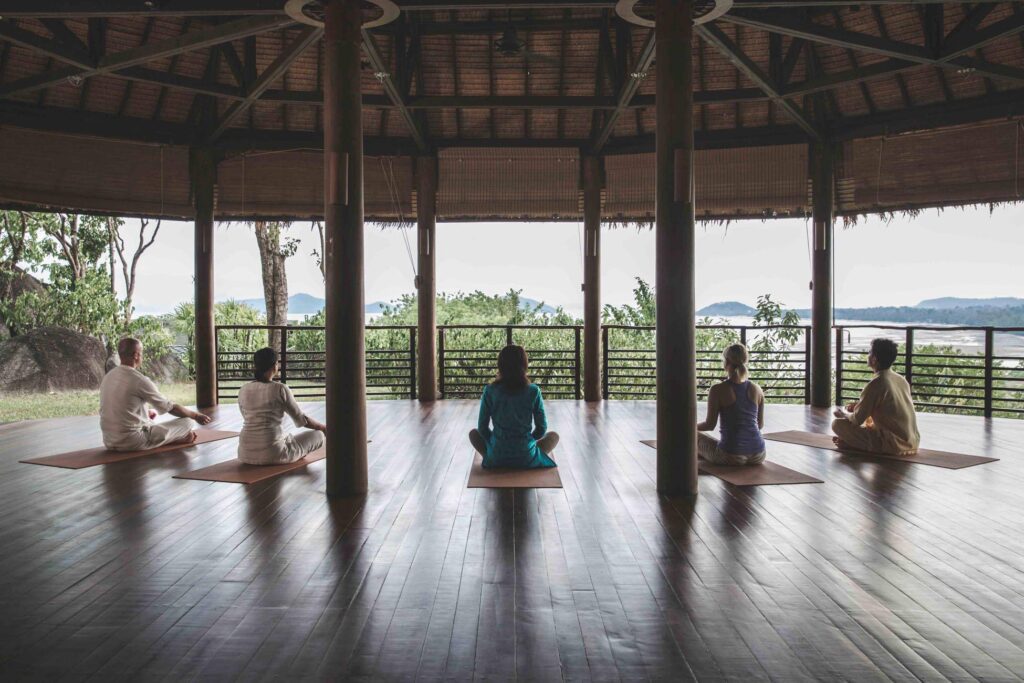
Located on the tropical island of Koh Samui, Kamalaya offers a comprehensive detox program rooted in traditional Eastern practices combined with modern science. Guests can choose from gentle detox plans or more intensive cleansing protocols, depending on their health goals.
Kamalaya integrates herbal supplements, colon hydrotherapy, and spa treatments with mindful practices like Tai Chi and meditation. This holistic blend ensures participants experience physical detoxification alongside emotional healing.
SHA Wellness Clinic, Spain

SHA Wellness Clinic, located in Alicante, Spain, is renowned for its medically supervised detox programs. Unlike retreats focused purely on relaxation, SHA employs advanced diagnostics and personalized treatments. Programs often include detoxifying nutrition, natural therapies, and hydrotherapy.
The clinic’s approach highlights how technology can enhance the detox process, providing participants with customized regimens based on their unique health profiles. The result is a program that not only cleanses but also provides actionable insights into long-term well-being.
Chiva-Som, Hua Hin, Thailand
Chiva-Som is one of Asia’s most prestigious wellness retreats, blending traditional Thai therapies with modern wellness techniques. Its detox programs feature cleansing diets, guided meditation, and specialized treatments like lymphatic drainage massages to enhance toxin elimination.
What sets Chiva-Som apart is its focus on sustainable health. Participants are guided through post-retreat planning, ensuring that the benefits extend far beyond their stay.
The Role of Technology in Retreat Detox Programs
Personalized Health Monitoring
Technology plays a crucial role in modern retreat detox programs. Advanced diagnostic tools, such as biofeedback and metabolic testing, allow practitioners to design personalized detox plans that address specific health issues. This ensures that each participant receives tailored guidance rather than following a generic program.
Digital Wellness Support
Many retreats now offer digital wellness platforms, allowing participants to continue their detox journey even after leaving the retreat. Apps and online tools help track nutrition, mindfulness practices, and sleep patterns. This integration of technology ensures the retreat’s benefits are sustained long-term.
Enhancing Mind-Body Connection
Technological innovations such as guided meditation apps, virtual yoga classes, and wearable fitness trackers enhance the detox experience. They allow participants to monitor progress, stay motivated, and build healthier routines once they return to daily life.
Use Cases of The Retreat Detox
Overcoming Burnout
For professionals facing chronic stress and burnout, a retreat detox offers a much-needed break. The structured environment, nutritious meals, and mindfulness practices help reset the nervous system, reduce anxiety, and restore focus.
Supporting Weight Management
While not primarily marketed as weight-loss retreats, detox programs often help participants shed excess weight naturally. By eliminating toxins, improving digestion, and encouraging physical activity, retreat detox programs create an environment where weight management becomes more sustainable.
Healing After Major Life Changes
Detox retreats also serve as safe spaces for individuals recovering from emotional or physical trauma. Whether it’s a career change, loss of a loved one, or recovery from illness, the holistic environment supports healing on multiple levels.
Frequently Asked Questions
1. How long should I stay at a retreat detox?
The ideal duration varies depending on personal goals. Some people find a weekend retreat sufficient for mental clarity, while others opt for two to four weeks for deeper physical and emotional healing.
2. Are detox retreats safe for everyone?
Most detox retreats are safe for healthy adults. However, individuals with medical conditions or those on medication should consult a healthcare professional before enrolling in intensive detox programs.
3. What can I expect after completing a retreat detox?
After completing a detox retreat, participants often report improved energy, clearer skin, better digestion, reduced stress, and enhanced mental clarity. The key is to integrate the lessons learned into daily routines for lasting benefits.